In contemporary computerized numerical control (CNC) manufacturing environments, the motion control loop represents the central nervous system of shop-floor productivity. Among global motion control OEMs, FANUC Corporation maintains an industry-leading position, powering multi-axis milling centers, precision lathes, and automated robotic arms worldwide. However, industrial procurement teams face an ongoing operational dilemma: balancing strict original equipment manufacturer (OEM) technical standards with global budget constraints and pressing factory lead-time deadlines.
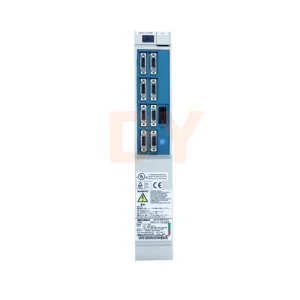
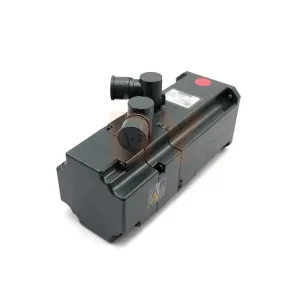
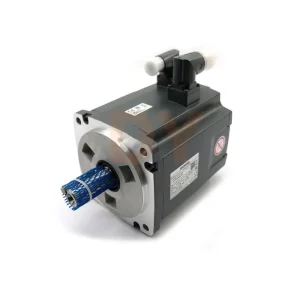
Sourcing discount FANUC servo products does not mean compromising on mechanical precision or electrical reliability. When executed through vetted technical distribution networks—such as Ningbo DingYan Machinery Co., Ltd.—procurement directors can acquire factory-sealed, 100% genuine FANUC servo amplifiers, motors, and pulse coders at competitive wholesale margins. This engineering report outlines the technical topology of modern FANUC servo platforms, examines macro supply chain dynamics, and establishes a framework for evaluating enterprise-grade suppliers.
To properly specify replacement servo systems, maintenance engineers and procurement specialists must understand the structural differences between FANUC product generations, specifically the flagship αi (Alpha i) and compact βi (Beta i) series architectures.
Engineered for high-load, multi-axis machining applications. Featuring neodymium-iron-boron permanent magnets, optimized stator winding density, and minimal cogging torque, the αi series offers extreme acceleration dynamics and thermal stability under continuous duty cycles.
FANUC’s proprietary HRV micro-step control algorithms process current loops at sub-microsecond intervals. Combined with high-speed DSPs, HRV eliminates phase lag, minimizes thermal dissipation in drive cabinets, and guarantees micro-inch surface finish accuracy.
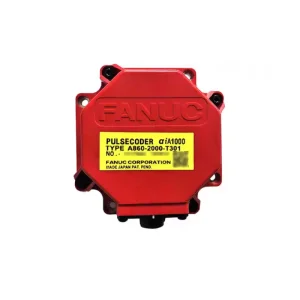
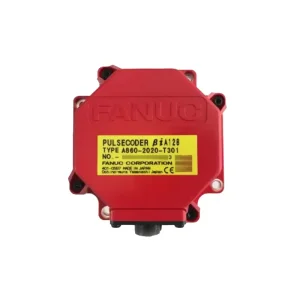
Feedback components like the FANUC A860-2020-T301 optical encoder transmit multi-turn positional data via immune optical fiber lines. Resolving tens of millions of counts per revolution, they remove the necessity for manual homing operations upon boot-up.
| Specification Category | αi Series (αiSV / αiF) | βi Series (βiSV / βiF) | Legacy α Series (A06B Standard) |
|---|---|---|---|
| Primary Application | High-speed, 5-Axis Heavy Machining | Standard Lathes, 3-Axis Mills, Auxiliary Axes | Legacy Machine Retrofits & Repairs |
| Communication Protocol | FSSB Optical Fiber High-Speed Bus | FSSB / High-Speed Serial Interface | Analogue / Early PWM Serial Link |
| Maximum Torque Output | Up to 300 Nm Peak | Up to 22 Nm Peak | Variable (Model Dependent) |
| Encoder Integration | αiA1000 / αiA16M Serial Encoders | βiA128 / βiA1000 Encoders | Incremental / Absolute Pulse Coders |
| Power Efficiency Rating | 95%+ with Regenerative Power Supply | 90%+ Compact Integrated Supply | Standard Dynamic Braking Resistors |
The industrial motion control sector is undergoing a rapid technological evolution driven by Smart Factory initiatives, green power initiatives, and predictive machine health analytics. Modern FANUC servo drives are engineered to integrate seamlessly into this digital ecosystem.
Next-generation FANUC servo amplifiers are adopting SiC semiconductor devices, drastically reducing switching power losses. This transition allows for smaller drive footprints, higher PWM switching frequencies, and reduced cabinet cooling demands.
By analyzing micro-vibrations and coil current harmonics directly at the drive edge, FANUC FIELD systems predict bearing wear and winding insulation breakdown weeks before catastrophic hardware failure occurs.
The FANUC Serial Servo Bus (FSSB) utilizes high-speed optical lines to connect the main CNC controller to multiple servo amplifiers. This design eliminates electrical ground loops and electromagnetic interference (EMI) standard in heavy industrial plants.
Precision servo products are not universal components; their deployment requires tailoring to specific dynamic loads, thermal environments, and machining tolerances across strategic global industries.
Automotive manufacturing lines demand rapid cycle times and continuous 24/7 reliability. FANUC αi series servo motors drive high-speed gantry loaders and cylinder block milling spindles. High dynamic response ensures precise contouring of complex engine blocks and EV battery housings without thermal drift.
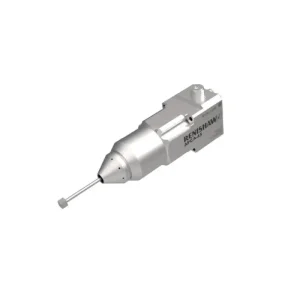
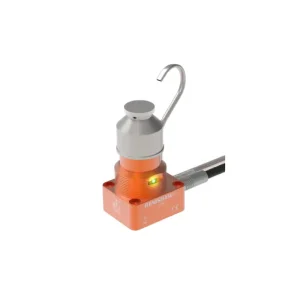
Machining titanium alloys and aerospace-grade aluminum forgings requires heavy low-end torque coupled with absolute positional accuracy. FANUC high-torque servo motors combined with Renishaw tool setters (such as the LTS and APC models) eliminate thermal growth errors across long 5-axis toolpaths.
Micro-machining implantable medical devices or semiconductor mold cavities demands nanometer-level resolution. Utilizing high-resolution FANUC pulse coders (e.g., A860-2020 series) alongside Heidenhain optical encoders ensures minimal surface roughness and absolute feature fidelity.
Global industrial manufacturing faces persistent supply chain disruptions, extended factory lead times, and rising spare parts costs. Strategic sourcing hubs in China—specifically centered in Ningbo’s advanced mechanical manufacturing cluster—offer distinct supply chain resilience for international enterprises.
Maintaining localized inventory of fast-moving FANUC encoders, Siemens drives, Mitsubishi power units, and Renishaw probes enables immediate export dispatch within 24 to 72 hours, drastically mitigating unplanned plant downtime.
Before dispatch, every component undergoes full electrical bench verification, optical encoder phase-shift analysis, and full-load motor drive simulator runs to guarantee 100% operational readiness upon arrival.
Direct partnerships with global air freight carriers (DHL, FedEx, UPS) and key maritime lines from Ningbo-Zhoushan Port ensure rapid export customs clearance with fully compliant HS code documentation.
For enterprise procurement officers, purchasing automation hardware requires evaluating Total Cost of Ownership (TCO) alongside direct unit acquisition costs. Unplanned machine downtime can exceed tens of thousands of dollars per hour in high-volume production facilities.
Expert answers to common engineering questions regarding FANUC servo diagnostics, encoder cross-referencing, and global sourcing workflows.