Wholesale CNC Water Cooled Spindle Products & Supplier Solutions

Next-Generation High-Speed Motorized Spindles, Thermal Stabilization Frameworks, and OEM Automation Systems for Global Machining Precision

Featured Inventory

Featured Spindle Motors & Controller Modules

Explore our stock of high-precision Siemens, Fanuc, Heidenhain, and Renishaw components ready for global dispatch.

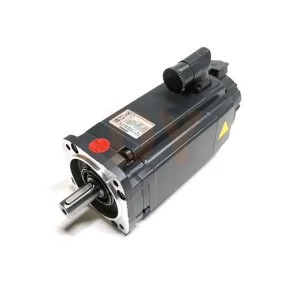
Siemens Permanent-magnet Synchronous Motor
Siemens Permanent-magnet Synchronous Motor 1FK7044-4CF71-1QA1
View Details
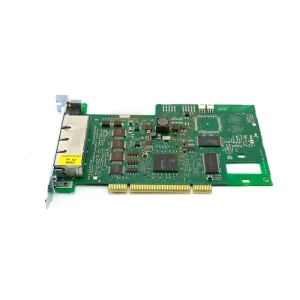
Siemens Communications Processor Card
Siemens Communications Processor Card Model 6GK1161-6AA02 Service
View Details
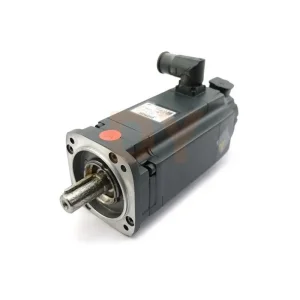
Siemens Servo Motor HD Synchronous
Siemens 1FK7044-4CH71-1QA0 High-Dynamic Synchronous Servo Motor
View Details
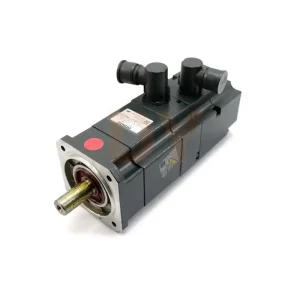
Siemens SINAMICS Brushless Servo Motor
Siemens 1FK6042-6AF71-1AG2 SINAMICS Brushless Servo Motor
View Details
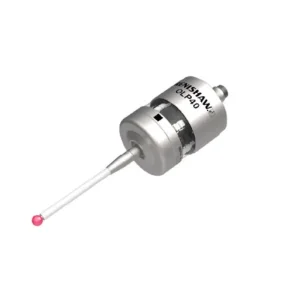
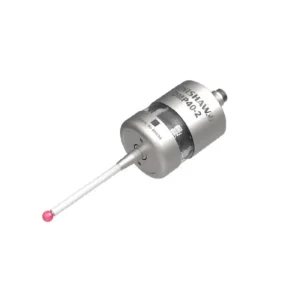
Renishaw OLP40-1 Probe
Ultra-compact 3D Touch-Trigger Probe Renishaw OLP40-1
View Details
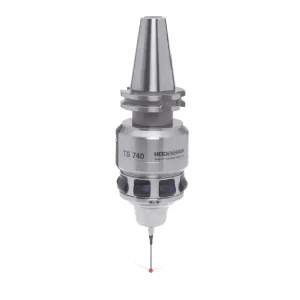
Heidenhain Touch Probes TS740
Heidenhain Workpiece Touch Probes TS740 Precision System
View Details
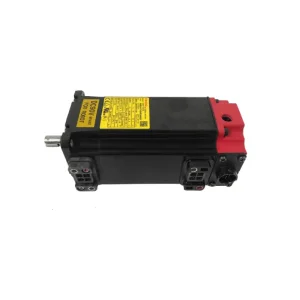
FANUC Servo Motor Original
FANUC A06B-0116-B855#0059 Servo Motor Original in Stock
View Details
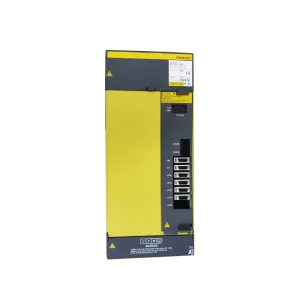
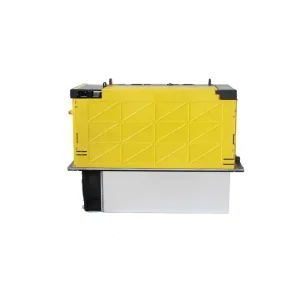
Fanuc ALPHA i Spindle Module Drive
Fanuc A06B-6141-H037#H580 ALPHA i Spindle Module Drive
View Details
Industry Intelligence

Global Commercial & Industrial Status of CNC Spindle Systems

An authoritative analytical overview of high-speed spindle adoption across tier-1 manufacturing hubs in North America, Europe, and the Asia-Pacific region.

High-Speed Demand Surge

The global CNC water-cooled spindle market has witnessed an unprecedented CAGR acceleration driven by the semiconductor, EV battery, and aerospace structural milling sectors. Demand centers heavily on spindles maintaining rotational speeds exceeding 24,000 RPM while maintaining sub-micron runout integrity under continuous heavy duty thermal loads.

Air vs. Liquid Cooling Shift

Industrial operations are migrating from conventional air-cooled spindle units to closed-loop liquid-cooled architectures. Liquid cooling reduces acoustic pollution below 65 dB, eliminates dust recirculation in cleanroom environments, and stabilizes spindle core temperatures to suppress thermal growth along the Z-axis.

Supply Chain Integration

Modern machining original equipment manufacturers (OEMs) demand turnkey spindle eco-systems. High-performance spindles require absolute synergy between the motorized shaft, drive modules (such as Siemens SINAMICS or FANUC ALPHA series), and in-process feedback devices like Renishaw optical probes and Heidenhain encoders.

60,000
Max RPM Achievable
< 0.001mm
Dynamic Runout TIR
45%
Thermal Growth Reduction
ISO G0.4
Balance Quality Grade
Technical Engineering

Engineering Blueprint: Water-Cooled vs. Air-Cooled Spindle Architectures

Detailed physical, thermodynamic, and mechanical evaluation of spindle cooling mechanisms for industrial decision-makers.

Water-Cooled Spindle Mechanics

Water-cooled (liquid-cooled) spindles utilize an internal helical water jacket surrounding the stator and bearing housings. Heat generated by high-frequency copper losses (I²R) and mechanical bearing friction is absorbed by circulating fluid and dissipated via an external refrigerated chiller.

  • Isothermal Stability: Keeps core temperature within ±0.5°C under continuous 100% duty cycles.
  • Sealed Enclosure: Prevents fine metal dust, graphite, and coolant mist from contaminating internal windings.
  • High Power Density: Delivers maximum kilowatt torque output within a compact frame diameter (e.g., 62mm, 80mm, 100mm, 125mm, 150mm).
  • Extended Bearing Life: Maintains synthetic grease viscosity and prevents thermal expansion preload spikes on ceramic hybrid bearings.

Air-Cooled Spindle Limitations

Air-cooled spindles rely on shaft-driven fan blades or electric blowers pushing ambient air across cooling fins. While mechanically simpler, they present critical limitations in high-precision engineering environments.

  • Thermal Drift: Susceptible to ambient factory room temperature fluctuations, leading to Z-axis expansion of up to 35 microns.
  • Acoustic Noise: High-pitch windage noise often exceeds 82-88 dB at speeds above 18,000 RPM.
  • Debris Recirculation: Fan draft blows chips and micro-particulates into precision tool setters and workpiece surfaces.
  • Low RPM Overheating: Fan efficiency drops drastically at lower speeds during heavy roughing passes.
Performance Specification Water-Cooled CNC Spindle Air-Cooled CNC Spindle Impact on Machining Quality
Operating Noise Level 58 – 68 dB (Ultra-Quiet) 80 – 92 dB (High Windage) Improves shop-floor safety & operator ergonomics
Thermal Expansion (Z-Axis) < 0.003 mm (Stabilized) 0.015 – 0.035 mm (Variable) Critical for 3D mold finishing & tight tolerances
Max Speed Range 12,000 to 60,000+ RPM 6,000 to 24,000 RPM Enables micro-milling & mirror-finish polishing
Bearing Configuration Silicon Nitride (Si3N4) Ceramic Hybrid Standard Steel Ball Bearings 4x longer bearing fatigue life under radial load
Dust & Liquid Ingress Protection IP65 / IP67 (Pneumatic Sealed) IP44 / IP50 (Open Ventilation) Prevents short circuits in wet cutting conditions
Future Trends

Industrial Trends & Technological Innovations (2025–2030)

How smart sensors, permanent magnet synchronous motors (PMSM), and digital twin technology are transforming high-speed spindle wholesale requirements.

PMSM High-Torque Stators

Transitioning from induction motors to Permanent Magnet Synchronous Motors yields 30% higher power density and reduces rotor losses, allowing immense low-speed torque for titanium milling.

IoT & Vibration Telemetry

Embedded tri-axial accelerometers and thermistors relay real-time FFT spectrum data to CNC controllers, catching bearing spallation long before cataclysmic spindle seizure occurs.

Automatic Tool Changers (ATC)

Wholesale demand is rapidly shifting from manual collet systems (ER11/ER20/ER25/ER32) to pneumatic ISO20, ISO30, BT30, BT40, and HSK-63A automatic tool change spindles for robotics integration.

Air-Purge Labyrinth Seals

Positive-pressure pneumatic sealing systems prevent ultra-fine metal dust and high-pressure cutting fluid from breaching shaft labyrinth seals during intense high-speed coolant flushes.

Application Engineering

Localized Application Scenarios & Industry Use Cases

Where precision matters most: Deploying high-speed liquid-cooled spindles across diverse manufacturing sub-sectors.

Aerospace & Defense Alloys

Milling thin-walled aluminum 7075 components and titanium wing spars requires high power (15kW–30kW) at 24,000 RPM. Water-cooled spindles coupled with Siemens 1FK7 Servo Motors and high-resolution feedback eliminate chatter, yielding surface roughness values under Ra 0.4 µm.

Medical Micro-Machining

Machining dental prosthetics, cobalt-chrome orthopedic implants, and titanium bone screws demands high rotational stability. Spindles running up to 40,000–60,000 RPM use Renishaw Touch Probes (OLP40-1/OMP40-2) for automated zero-point calibration and tool wear detection.

Precision Die & Mold Production

Hardened tool steel molds (HRC 55+) require 36+ hours of uninterrupted continuous surface contouring. Liquid cooling prevents Z-axis displacement drift, ensuring flawless injection mold cavity alignment without manual bench hand-polishing.

System Architecture

Macro Industry Integration Architecture

Combining motorized spindles with world-class industrial motion control platforms (FANUC, Siemens, Heidenhain, Mitsubishi) for complete machine tool building and retrofit execution.

Closed-Loop Spindle & Automation Ecosystem

Achieving optimum surface finish and positional accuracy requires seamlessly interconnecting the spindle motor with the complete CNC electrical cabinet ecosystem:

1. Drive Amplification

Interfacing spindle stators with high-frequency Vector Inverters or specialized modules such as the FANUC ALPHA i Spindle Module Drive or Siemens SINAMICS S120 ensures clean sinusoidal current modulation.

2. Closed-Loop Metrology

Installing high-speed rotary encoders or optical feedback systems (e.g., Heidenhain TS740, Fagor Linear Scales) compensates for angular position error during rigid tapping cycles.

3. Thermal Chiller Loops

Utilizing active closed-loop glycol-water chillers maintaining differential temperature control mapped directly to the CNC machine casting temperature prevents frame warpage.

Technical Procurement Checklist

E-E-A-T Quality Assurance & Spindle Selection Protocol

Written by senior CNC maintenance directors and procurement experts to assist engineering teams in verifying wholesale spindle quality before purchase.

1. Dynamic Balancing Standard

Verify that the manufacturer balances the complete shaft assembly to ISO 1940 Grade G0.4 or G1.0. Imbalance at 24,000 RPM creates exponential centrifugal forces, causing micro-pitting on bearing races and sub-par surface finishes.

2. Bearing Grade & Preload

Specify super-precision angular contact ceramic ball bearings (e.g., 7005/7007 series with Si3N4 ceramic balls) rated for ABEC-7 / ISO P4 tolerances. Ensure factory preloading matches your application: Light for high-speed engraving, Heavy for high-torque milling.

3. Taper Runout (TIR) Test

Request factory inspection certificates verifying internal taper concentricity runout of < 0.002 mm (2 microns) measured at the spindle nose, and < 0.005 mm measured at a 100mm test arbor extension.

4. Electrical Insulation Rating

Ensure stator windings feature Class H insulation (180°C threshold) with VFD spike-resistant magnet wire to withstand high carrier-frequency PWM voltage transients generated by VFD drives.

Knowledge Center

Frequently Asked Questions (FAQ) — CNC Spindle Procurement

Direct technical answers addressing long-tail search intent, engineering setup, maintenance routines, and troubleshooting.

Why choose a water-cooled CNC spindle over an air-cooled model for wholesale purchasing?
Water-cooled spindles offer superior thermal management, lower operational noise (below 65 dB), a smaller outer diameter form factor for multi-axis gantry clearance, and absolute Z-axis thermal expansion stability. For high-precision operations running 24/7 on materials like aluminum, steel, titanium, and glass, water-cooled spindles significantly reduce tool wear and scrap rates.
What cooling liquid ratio and maintenance protocol should be used for liquid-cooled spindles?
Use distilled water blended with industrial anti-corrosion and anti-algae coolant additives (or a 30/70 distilled water to industrial ethylene glycol mix). Never use pure tap water, as mineral deposits block internal cooling jackets. Coolant should be replaced every 3–6 months, and chiller fluid temperatures set within 1°C of ambient shop floor temperature to avoid internal condensation.
How do VFD (Variable Frequency Drive) settings affect spindle lifespan?
Improper VFD parameter configuration is the leading cause of premature spindle failure. The VFD base frequency (e.g., 400Hz for a 24,000 RPM spindle) must be set *before* running the motor. Running a high-frequency spindle with VFD default parameters (typically 50Hz/60Hz) causes massive current overloads that instantly burn out stator copper windings within seconds.
Can I integrate high-speed spindles with Fanuc, Siemens, or Mitsubishi CNC drives?
Yes. Premium water-cooled spindles can be interfaced with FANUC ALPHA i Spindle Modules, Siemens SINAMICS S120, or Mitsubishi MDS series drives. Ensure the spindle sensor type (such as 1Vpp sinus/cosinus, TTL encoder, or resolver) matches your CNC controller feedback board specifications.
What is the difference between ER collet spindles and Automatic Tool Change (ATC) spindles?
Manual ER collet spindles (ER11, ER20, ER25, ER32) require manual wrench tightening for tool changes, making them cost-effective for dedicated single-tool processes. ATC spindles incorporate internal pneumatic drawbars that automatically pull tool holders (ISO, BT, or HSK series) into the spindle taper within 1.5 seconds, enabling fully automated, multi-tool CNC production lines.
What causes spindle bearing noise and how can it be prevented?
Spindle bearing noise stems from mechanical crashes, exceeding radial/axial thrust limits, coolant fluid penetrating seals, or unbalanced tool holders. Prevention requires running dynamic balancing checks on tool holders (G2.5 @ 24,000 RPM), maintaining positive seal air-purge pressure (0.1–0.2 MPa), and installing in-line tool setters like Renishaw or Heidenhain probes to stop crash conditions.
Complete System Catalog

Complementary CNC Machinery Accessories & Drives

Select genuine original accessories, linear scales, servo drivers, and probe systems to complete your machine assembly.

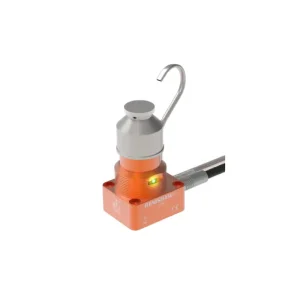
Renishaw OMP40-2 Probe
Renishaw OMP40-2 Miniature Optical Tool Probe System
View Details
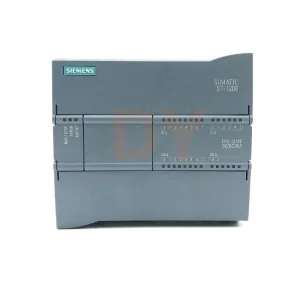
Siemens PLC CPU S7-1200
Siemens 6ES7214-1HG40-0XB0 PLC CPU SIMATIC S7-1200
View Details
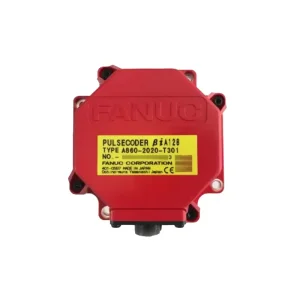
FANUC Servo Encoder
FANUC Alpha Servo Encoder Model A860-2020-T301
View Details
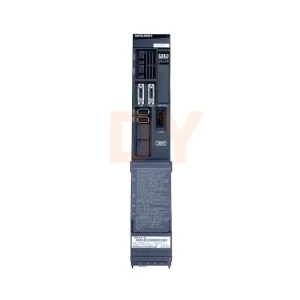
Mitsubishi Servo Drive Unit
Mitsubishi Servo Drive Unit MDS-D-V1-20 Controller Unit
View Details
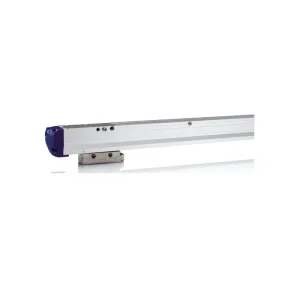
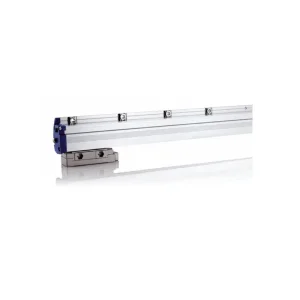
Fagor L Series Incremental Linear Encoder
Fagor L Series Incremental Linear Encoders (400mm - 60m)
View Details
Fagor G Series Linear Encoder
Fagor G Series Incremental Linear Encoders (140mm - 3040mm)
View Details
Fanuc Servo Amplifier Driver
Servo Amplifier Driver Fanuc A06B-6200-H037 in Stock
View Details
Renishaw Contact Tool Setter LTS
Renishaw Contact Tool Setter Model LTS Precision Unit
View Details