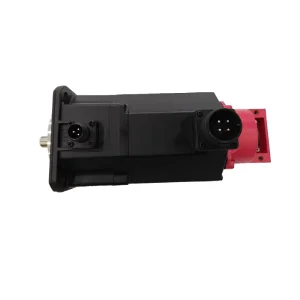
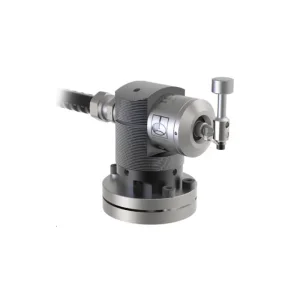
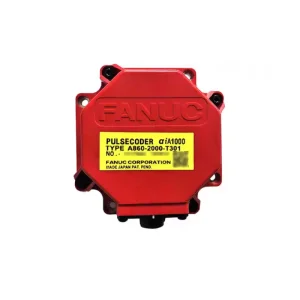
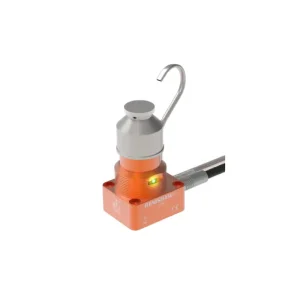
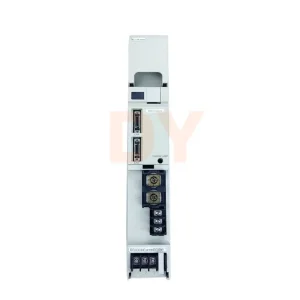
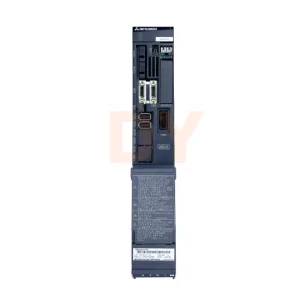
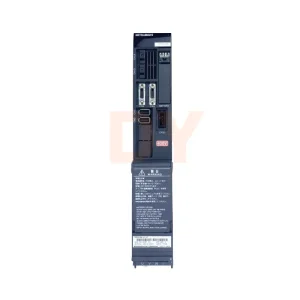
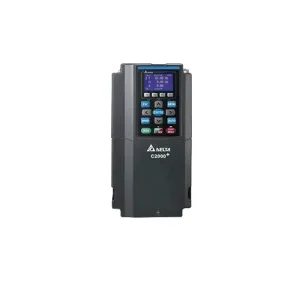
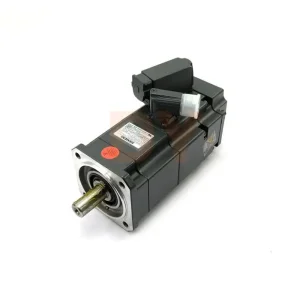
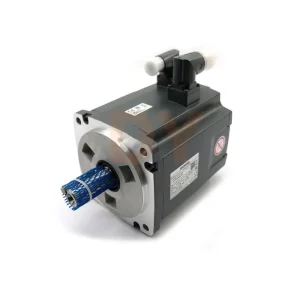
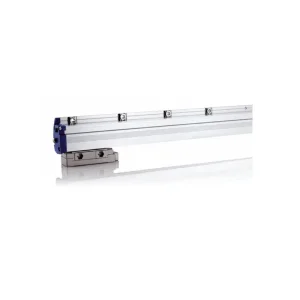
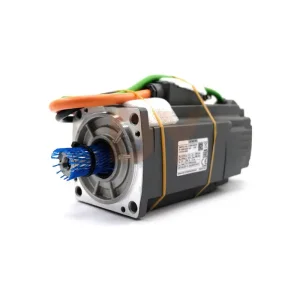
Immediate dispatch stock featuring tested Fanuc servo drive modules, precision tool setters, pulse coders, and multi-brand drive solutions engineered for maximum shop-floor uptime.
The Fanuc M-2000 series represents the apex of heavy-payload industrial automation, designed to handle massive structural workpieces ranging from 900 kg up to an extraordinary 2,300 kg payload capacity (such as the M-2000iA/2300). In modern manufacturing environments—ranging from automotive body-in-white (BIW) sub-assembly to aerospace structural machining—the operational reliability of these heavy-duty multi-axis articulators directly impacts global supply chain throughput. However, as these heavy manipulators reach secondary operational lifecycles, plant engineers face a critical dilemma: balancing high OEM maintenance costs against the necessity of zero unplanned downtime.
When plant managers search for "Discount Fanuc M2000 Service & Suppliers", their intent transcends basic price inquiries. Their primary search objective encompasses systemic risk mitigation: sourcing factory-tested replacement components, identifying reliable third-party repair centers with certified load-testing benches, and understanding the engineering trade-offs between brand-new OEM sub-assemblies and rigorously refurbished servo amplifier modules (e.g., Fanuc A06B series) or high-resolution pulse coders (e.g., A860-2000-T301).
Maintaining an M-2000 robot cell requires a granular understanding of kinematics, strain wave gearboxes, and the underlying R-30iB or R-30iB Plus controller architecture. A single axis failure—whether caused by thermal degradation of servo motor insulation, harmonic drive backlash, or feedback loss in an optical encoder—can halt an entire production line, costing thousands of dollars per minute. Consequently, evaluating reliable service providers and component suppliers in the global ecosystem demands strict adherence to E-E-A-T (Experience, Expertise, Authoritativeness, and Trustworthiness) standards.
An objective engineering matrix comparing traditional OEM factory service channels with specialized global component suppliers such as Ningbo DingYan Machinery.
| Evaluation Vector | Direct OEM Channel | Generic Aftermarket Market | Specialized Supplier (DingYan Model) |
|---|---|---|---|
| Component Lead Time | 4 to 12 Weeks (Backordered) | 1 to 3 Days (Variable Quality) | 24 to 72 Hours (In-Stock Ready) |
| Price Benchmark | 100% (Standard List Price) | 30% to 40% (High Defect Risk) | 50% to 65% (Discount OEM/Refurbished) |
| Quality Verification | Factory New Standard | Minimal / Visual Inspection Only | Full Load-Bench & Oscilloscope Tested |
| Obsolescence Support | Phased Out (End-of-Life Pressure) | Uncertain Stock Integrity | Complete Legacy & Superceded Support |
| Warranty Coverage | 12 Months Standard | None or 30-Day Limited | 12 Months Complete Functional Warranty |
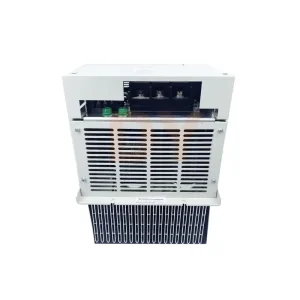
When sourcing replacement Fanuc Servo Amplifier Modules (such as the A06B-0032-B175#7000 or multi-axis IPM modules), simple resistance checks are insufficient. Qualified suppliers utilize high-frequency dynamic torque testing and thermal imaging under simulated full load to detect micro-cracks in IPM gate driver circuits before shipment. This level of quality assurance ensures seamless drop-in integration without triggering SRVO-045 or SRVO-050 alarms upon installation.
Why international procurement managers leverage Chinese industrial hubs for high-precision robot spares, encoder refurbishing, and cross-platform machine tool integration.
Ningbo stands as China's premier hub for mechanical engineering and electronic automation components. By anchoring operations within this dense industrial cluster, suppliers access tier-1 raw materials, ultra-precision bearing manufacturing (matching NSK standards), and direct component channels from global OEMs.
Chinese technical centers specialized in Fanuc and Mitsubishi drive restoration employ advanced diagnostic rigs. Optical encoders like the Fanuc A860-2000-T301 undergo full angular accuracy testing, pulse count validation, and environmental sealing checks before export clearance.
Proximity to Ningbo-Zhoushan Port and major international air express hubs allows suppliers to pack, ship, and deliver urgent breakdown spares (via DHL, FedEx, UPS) to North American, European, and Southeast Asian plants within 3 to 5 business days.
The application footprint of the Fanuc M-2000 arm spans severe operating conditions where mechanical stresses on J1–J6 gearboxes are immense. Below are the primary industrial domains where component reliability is non-negotiable:
In modern EV manufacturing plants utilizing ultra-large aluminum die-casting machines (Gigapresses), M-2000 robots extract hot, massive single-piece chassis castings. Ambient temperatures are elevated, and thermal radiation affects wrist sensors and motor insulation. Stocking heavy-duty servo motors and thermal-resistant pulse coders is vital to preventing unexpected line stoppages during extraction cycles.
Handling large composite fuselage sections requires high static torque holding capacity and micron-level repeatability. Renishaw tool setters (e.g., Model TS27R and LTS Series) working in tandem with Fanuc CNC feedback loops ensure tool wear and thermal expansion are compensated dynamically across long machining routines.
In steel coil handling and heavy forge manipulation, wrist torque limits are continuously tested. High gear ratios in RV reducers require periodic grease sampling (Vigogrease RE0) and precise motor replacement matching exact torque constant parameters to avoid amplifier current overload.
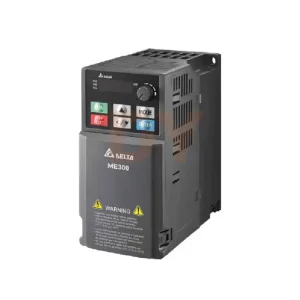
Global manufacturing facilities rarely run a single brand. Facilities operating Fanuc heavy manipulators alongside Mitsubishi CNC milling cells and Delta automated conveyancing benefit from consolidated procurement—sourcing Fanuc amplifiers, Mitsubishi drive units (such as MDS-DH-V1-800), and Delta vector drives (C2000 Series) from a unified technical vendor.
Detailed answers to critical maintenance questions commonly searched by industrial robot technicians, maintenance engineers, and procurement specialists.
A BZAL (Battery Zero Alarm) indicates that the backup battery voltage for the pulse coder (such as the Fanuc A860-2000-T301) has dropped below the threshold, resulting in loss of absolute position data. To resolve this: 1) Replace the 3V lithium battery pack in the robot base while keeping the controller turned ON (if powered off, reference position is lost). 2) If position data is cleared, perform a Master Reset via the Teach Pendant under SYSTEM -> Master/Cal. 3) If SRVO-038 persists after battery replacement, inspect the feedback cable for pin corrosion or replace the pulse coder unit entirely.
Before swapping a Fanuc Servo Amplifier Module: 1) Perform a full system backup (SRAM backup to PCMCIA card or USB). 2) Isolate main incoming 3-phase power and wait at least 5 minutes for the DC bus capacitors to fully discharge; verify zero voltage with a multimeter across the DC link terminals (+ / -). 3) Label all optical Fiber cables (CXA2A/CXA2B) and power connectors. 4) Ensure the internal cooling fan and heat sink thermal pad are properly seated on the replacement module to prevent immediate IPM thermal alarms (SRVO-045).
Sourcing from accredited Ningbo suppliers like DingYan Machinery bridges the gap between high OEM prices and low-quality generic parts. Specialized suppliers offer fully bench-tested, genuine parts at 40% to 65% cost reduction with immediate dispatch. Crucially, established suppliers provide full serial verification, technical cross-referencing for legacy part numbers, and a 12-month functional warranty.
When Fanuc heavy manipulators or multi-axis CNC machines perform heavy material removal, tool wear and spindle thermal growth are major causes of part dimensional deviation. Integrating high-precision contact tool setters (like the Renishaw TS27R or compact LTS series) enables automated broken tool detection, tool length/radius calibration, and dynamic offset updates directly inside the CNC program macro, drastically reducing scrap rates.
No. Drive communications in modern automation are proprietary. Fanuc uses FSSB (Fanuc Serial Servo Bus) optical protocols, Mitsubishi uses SSCNET III / CC-Link IE Field, and Siemens uses DRIVE-CLiQ or PROFIDRIVE. Drive modules cannot be cross-swapped across different controller brands. However, on multi-machine production floors, facilities frequently standardise their spare parts inventory through a single multi-brand partner capable of supplying Fanuc, Mitsubishi, Siemens, and Delta modules simultaneously.
Fanuc recommends a strict maintenance schedule based on operating hours: 1) Every 1 year or 3,840 hours: Replace memory backup batteries (controller and mechanical unit). Inspect harness flex points on Axis 2/3. 2) Every 3 years or 11,520 hours: Replace internal reducer grease (Vigogrease RE0 or Kyodo Yushi Molywhite depending on wrist specs). Perform grease flush while taking oil samples to inspect for metal particle wear. 3) Annually: Conduct dynamic braking distance checks and back-lash inspection on J1–J6 axes.
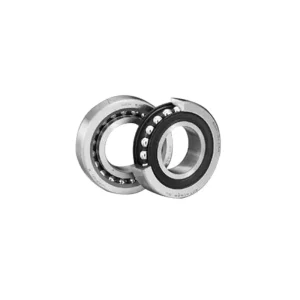
High-precision CNC machine tool spindles and heavy robot joint pivot points require precision bearings (such as NSK 20TAC47CDDGSUHPN7C). When ordering replacements, ensure the precision class is P4 or P2, with controlled axial preload (SU/DU configuration). Sourcing certified bearings prevents high-frequency chatter marks on workpieces and avoids premature thermal seizure under high load.
For seamless customs clearance, international orders shipped from Ningbo include: 1) Detailed Commercial Invoice stating precise HS codes (e.g., HS 8537.10 for numerical controllers/amplifiers, HS 9031.80 for encoders/probes). 2) Certificate of Origin (CO). 3) Packing List with exact gross weight and wooden box fumigation certification if applicable. Professional suppliers manage all export paperwork in-house to guarantee fast transit without customs delays.
Browse our expanded catalog including Siemens SIMOTICS motors, NSK precision bearings, Fagor grating scales, and Delta compact drives available for immediate international delivery.