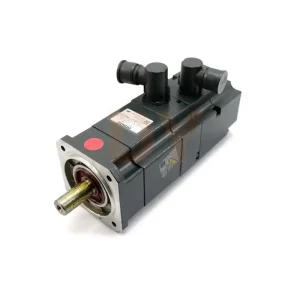
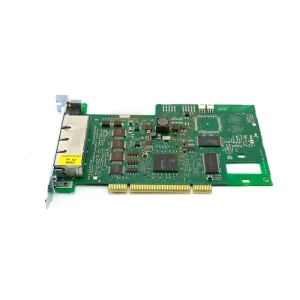
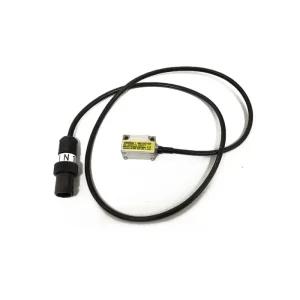
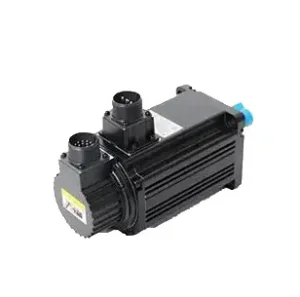
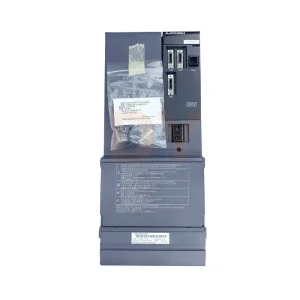
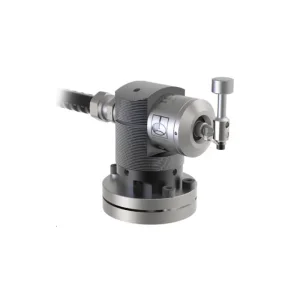
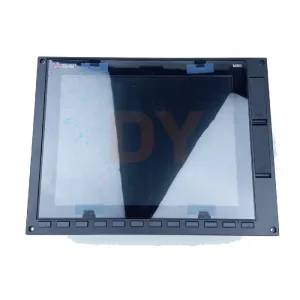
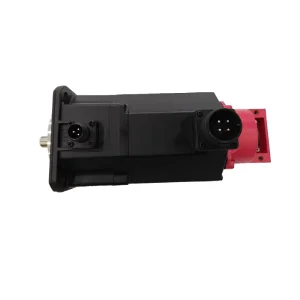
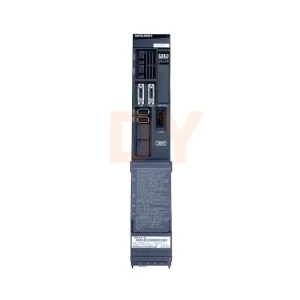
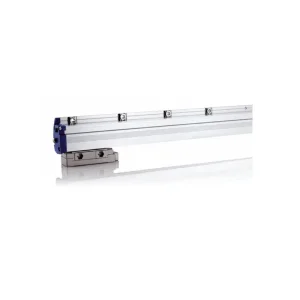
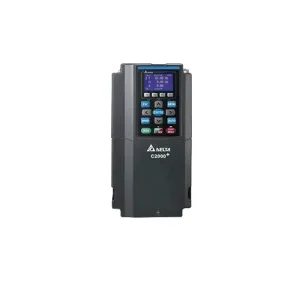
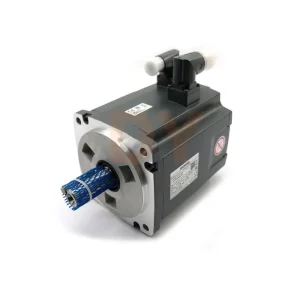
In high-precision manufacturing, metalworking, and CNC milling applications, spindle motors serve as the operational heartbeat of the machine tool. Unlike conventional general-purpose AC induction motors or standard position-control servo motors, a Delta Spindle Motor must deliver constant power over wide speed ranges, exhibit exceptional dynamic response, and maintain negligible radial vibration under extreme cutting loads. Procuring authentic, factory-grade Delta spindle units—alongside obtaining authorized maintenance and service—is critical to preventing catastrophic shop-floor downtime and ensuring surface finish integrity.
As a verified industrial automation supplier specializing in motion control systems, our engineering infrastructure bridges the gap between high OEM retail costs and secondary-market reliability. By offering Discount Delta Spindle Motor units, original replacement drives, and certified overhaul services, we enable global manufacturing enterprises to optimize their Total Cost of Ownership (TCO) without sacrificing machine accuracy, thermal stability, or operational lifespan.
Integrated seamlessly with Delta C2000 and MS300 series variable frequency drives (VFDs), achieving field-oriented control (FOC) across low and high RPM ranges.
Equipped with independent forced-air cooling blowers or liquid-cooled jackets, preventing rotor thermal expansion during sustained high-speed operations.
Dynamic micro-balancing reduces shaft runout to under 0.002mm, suppressing chatter marks on machined components and preserving spindle bearing life.
The industrial automation market is undergoing a major shift toward high-efficiency, smart manufacturing ecosystems. Spindle motor technology has evolved far beyond simple variable-speed AC drives. Modern manufacturing demands real-time telemetry, extreme energy efficiency, and instant torque response. Delta Electronics has remained at the forefront of this evolution, constantly refining their spindle drive architecture.
While induction spindle motors historically dominated high-horsepower CNC applications, the industry is accelerating its transition to Permanent Magnet Synchronous Spindle Motors (PMSM). Delta's advanced PMSM spindle units yield up to 20% higher power density and significantly reduced copper losses, enabling smaller physical footprints without sacrificing continuous torque output.
Next-generation Delta spindle solutions now incorporate digital encoder feedback (such as EnDat, BiSS-C, and high-resolution absolute encoders) directly wired to smart drive amplifiers. This allows continuous real-time monitoring of winding temperatures, bearing vibration spectra, and load profiles, feeding data to centralized SCADA systems for predictive fault analysis.
Procurement directors and factory maintenance heads face a persistent dilemma: purchasing factory-new spindle components through traditional distribution channels often incurs exorbitant markups and long lead times. Conversely, unverified third-party rebuilds risk premature insulation breakdown, bearing seizure, and machine misalignment.
Our supply channel provides fully certified, discounted OEM Delta spindle hardware alongside comprehensive diagnostic repair services. By leveraging surplus supply networks, direct-factory allocations, and re-manufacturing expertise, we deliver a optimized sourcing framework:
| Procurement Factor | Standard OEM Dealer | Unverified Repair Shops | Our Discount & Service Model |
|---|---|---|---|
| Hardware Pricing | Full Retail (0 - 5% Discount) | Low Initial Cost (High Risk) | 30% - 50% Off Standard List |
| Lead Times | 8 - 16 Weeks Backorder | 1 - 2 Weeks (Inconsistent) | Stocked Items: 24-48 Hour Dispatch |
| Quality Validation | Factory Certificate | Visual Inspection Only | Full Dynamic Load & Vibration Testing |
| Warranty Coverage | 12 Months (Strict Terms) | 30-90 Days Limited | 12-Month Comprehensive Guarantee |
| Technical Support | Slow Call-Center Dispatch | No System Integration Expertise | Direct Access to Motion Engineers |
Delta spindle motors are engineered to operate seamlessly across diverse industrial automation verticals. Implementing the right combination of motor winding design, drive parameterization, and cooling medium ensures optimum productivity.
For VMCs and HMCs performing aluminum alloy milling or mold polishing, we deploy Delta direct-drive high-RPM spindle motors capable of 15,000 to 24,000 RPM. Synchronized with high-resolution optical encoders, rigid tapping performance is guaranteed.
Lathes and heavy gantry mills demand maximum torque at low speed. We specify wide-range constant-power Delta asynchronous spindle units paired with dual-winding star-delta contactor switching algorithms to maintain cutting power under deep roughing passes.
Dust-sealed, high-frequency spindle motors equipped with labyrinth seals and air-purge protection ensure zero particulate ingress into bearing cavities, extending continuous operational lifespan in abrasive woodworking environments.
Every Delta spindle motor and drive component dispatched from our technical center undergoes rigorous multi-stage bench testing. We follow strict international quality management standards to guarantee plug-and-play installation upon delivery.
The future of machine tool spindle technology lies in intelligent self-optimizing drives, wide-bandgap semiconductors, and integrated mechatronic designs. The roadmap below outlines the upcoming technology shifts engineered into Delta's next-generation spindle platforms:
Next-gen Delta spindle inverters are integrating SiC MOSFET power modules, enabling switching frequencies above 16kHz with minimal thermal dissipation, resulting in silky-smooth motor current waveforms and near-zero motor noise.
By embedding multi-point PT100/KTY thermal sensors alongside AI algorithms inside the drive, spindle expansion along the Z-axis is calculated and dynamically offset within the CNC controller during high-speed cutting passes.
Future Delta spindle revisions feature integrated Bluetooth Low Energy (BLE) diagnostic chips, enabling maintenance staff to view real-time bearing condition data, total revolution counts, and fault logs via mobile devices.