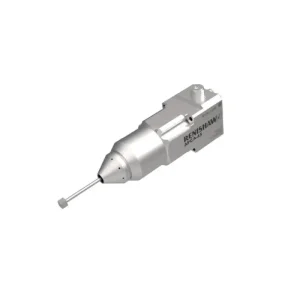
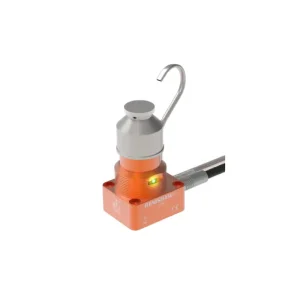
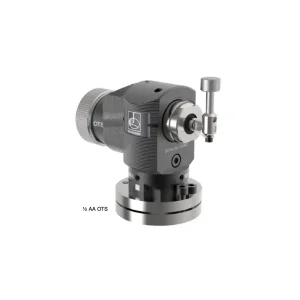
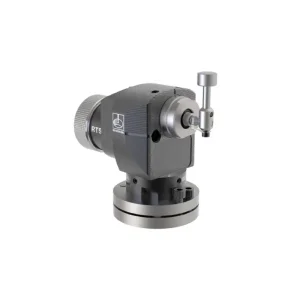
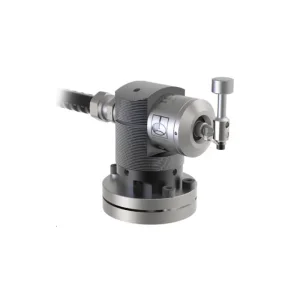
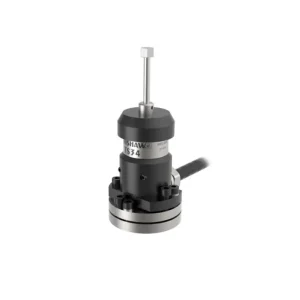
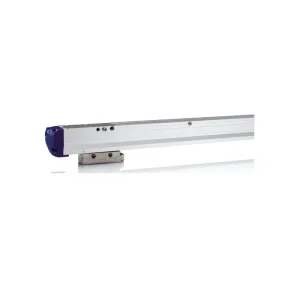
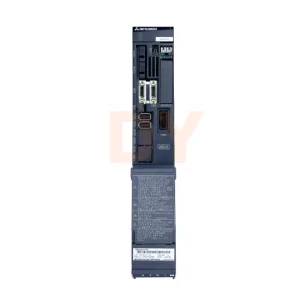
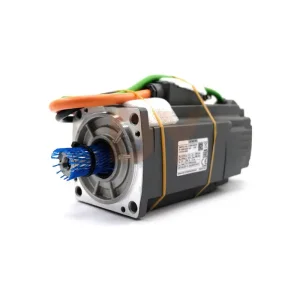
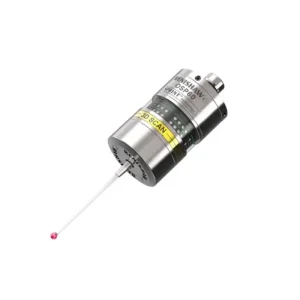
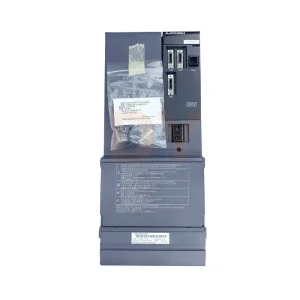
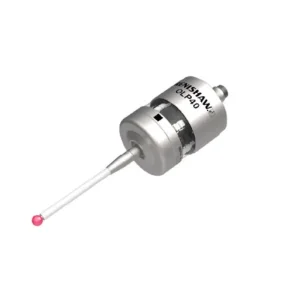
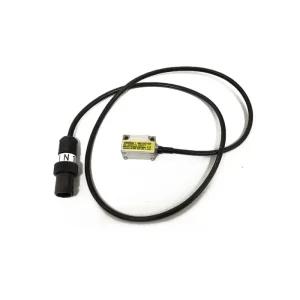
Explore our core range of genuine Renishaw contact tool setters, high-precision encoders, and industrial CNC system accessories engineered for zero-defect machining environments.
A deep engineering overview of closed-loop process control, automated tool length/diameter offset registration, and thermal compensation.
In modern high-precision subtractive manufacturing, the integration of on-machine metrology systems is no longer a luxury—it is a baseline prerequisite for achieving autonomous, high-yield CNC operation. Among these metrological tools, Renishaw Contact Tool Setters represent the global benchmark for automated tool setting, broken tool detection, and real-time thermal growth compensation across 3-axis, 4-axis, and 5-axis vertical/horizontal machining centers.
At the mechanical core of every Renishaw contact tool setter lies the patented resistive kinematic seat design. Unlike optical sensors or pneumatic limit switches that suffer from signal drift due to coolant mist and thermal expansion, Renishaw's mechanical trigger mechanisms utilize six precision-ground tungsten carbide rods arranged in three pairs. A spring-loaded planar arrangement supports a central seating structure. When the cutting tool stylus is deflected by contact with a tool tip, the contact pressure alters the electrical resistance across the seating circuit, generating a microsecond-latched trigger pulse directly to the CNC controller's high-speed skip input (e.g., G31 on FANUC or MEASURE on SIEMENS SINUMERIK).
Renishaw contact tool setters perform four foundational metrology tasks on the shop floor:
How Tier-1 automotive manufacturers, aerospace machine shops, and precision medical device fabricators leverage tool setting technology for total quality control.
In high-volume EV motor housing and engine block machining, machine downtime costs thousands of dollars per minute. Contact tool setters like the Renishaw TS27R and RTS enable 24/7 lights-out manufacturing by automating tool wear checks every 50 components, ensuring zero scrap rates on multi-spindle transfer machines.
Machining complex titanium and Inconel aerospace structures involves extreme tool wear and high thermal expansion. By deploying cable-less Renishaw OTS (Optical) and RTS (Radio) setters across large-gantry 5-axis machines, aerospace suppliers maintain tight tolerances (±0.005 mm) over 30-hour roughing and finishing cycles.
Small-footprint swiss-type lathes and micro-milling machines crafting orthopedic screws or cobalt-chrome joints utilize compact probes such as the Renishaw TS34 and LTS series. Their ultra-low trigger force prevents microscopic tip chipping on micro-grain carbide micro-endmills under 0.5 mm diameter.
Enterprise buyers managing multi-site machine shops face critical decisions when specifying replacement parts and OEM retrofits. The table below details the strategic trade-offs between OEM direct channels and specialized enterprise spare stocking vendors like Ningbo DingYan Machinery Co., Ltd.:
| Procurement Parameter | OEM Direct Channels | DingYan Machinery (Specialized Stockist) |
|---|---|---|
| Lead Time for Core Models (TS27R, RTS, OTS) | 4 to 8 Weeks (Standard Production Order) | 1 to 3 Working Days (Stocked in Ningbo Hub) |
| Legacy / Obsolete System Support | Limited (Pushed toward expensive upgrade paths) | Extensive Stock of Discontinued & Superseded Units |
| Cross-Brand CNC Integration Capabilities | Brand-restricted scope | Full Stack: Renishaw, Fanuc, Mitsubishi, Siemens, Heidenhain |
| Pre-Shipment Quality Verification | Standard batch testing certificates | 100% Serialized Photo & Electrical Inspection |
| Commercial Pricing Model | Fixed List Price / High Regional Margins | Wholesale Tiered Discounts & Consignment Options |
Detailed technical breakdown of communication protocols, mounting profiles, seal protection ratings, and target CNC machine configurations.
| Model Series | Signal Transmission Mode | Repeatability (2σ) | Stylus Overtravel (Z-Axis) | Interface / Receiver Unit | Primary Machine Type Application |
|---|---|---|---|---|---|
| Renishaw TS27R | Hardwired (Cabled) | 1.0 μm (0.00004 in) | 5.3 mm (0.21 in) | HSI / HSI-C / MI8-4 | 3-Axis & 4-Axis Vertical Machining Centers |
| Renishaw TS34 | Hardwired (Rear/Side Entry) | 1.0 μm (0.00004 in) | 5.3 mm (0.21 in) | HSI / HSI-C | Space-constrained CNC Lathes & Small VMCs |
| Renishaw RTS | Radio Frequency (2.4 GHz FHSS) | 1.0 μm (0.00004 in) | 5.2 mm (0.20 in) | RMI / RMI-Q Interface Receiver | 5-Axis & Large Horizontal Machining Centers |
| Renishaw OTS | Optical Infrared (Modulated) | 1.0 μm (0.00004 in) | 5.2 mm (0.20 in) | OMI-2T / OMM-2 / OSI Interface | Machining Centers requiring removable tool setters |
| Renishaw LTS | Hardwired (Integrated Cable) | 1.0 μm (0.00004 in) | 5.0 mm (0.19 in) | Direct CNC I/O Integration | Entry-level 3-Axis CNC & OEM Machine Integration |
| APC / APCA-45 / APCS-45 | Pneumatic Arm + Hardwired | 1.0 μm (0.00004 in) | 5.3 mm (0.21 in) | Pneumatic Solenoid + HSI | CNC Turning Centers & Lathes with Automated Protection |
Hardwired connection is the industry gold standard for fixed table-mounted installations. Utilizing ultra-flexible polyurethane-sheathed steel-armored cables, hardwired setters deliver instant microsecond signal transition to the HSI interface without battery maintenance or wireless interference risk.
Optical modulated infrared transmission allows line-of-sight communication between the tool setter and a machine-mounted receiver (such as the OMI-2T). It eliminates trailing cables, making it perfect for machines with rotary tables or pallet changers where physical wires would impede movement.
Operating on the globally license-free 2.4 GHz band with Frequency Hopping Spread Spectrum (FHSS) technology, the RTS system overcomes line-of-sight barriers inside massive 5-axis aerospace gantries, enabling reliable communication up to 15 meters even in dense RF environments.
Step-by-step engineering roadmap for electrical interface wiring, macro program deployment, and physical stylus alignment.
Mount the Renishaw tool setter base securely to the machine table using T-nuts and stainless steel socket screws. Utilize a dial test indicator (DTI) mounted in the machine spindle to sweep across the top surface of the square stylus disc. Adjust the levelling screws until planar parallelism is within 0.002 mm (2 microns) across the X and Y axes.
Wire the tool setter's 4-core cable to the Renishaw HSI interface module installed inside the electrical cabinet. Connect the SSR (Solid State Relay) output of the HSI directly to the CNC mainboard's high-speed skip signal input terminals (e.g., FANUC 0i-MF SKIP block input X4.7 or SIEMENS 828D Fast Input DI1).
Load the appropriate macro library into CNC memory (e.g., Renishaw O9020-O9025 series for FANUC). Set machine variables for feedrate (typically 3000 mm/min positioning, 50 mm/min measurement feed), overtravel allowance, and stylus disc center coordinates relative to machine machine zero.
Insert a precision ground reference calibration bar of certified length and diameter into the spindle. Run the automated calibration routine (Macro O9020) to establish the exact trigger sphere center point, stylus disc thickness, and signal latency offset parameters inside the CNC memory variables.
Ensuring minimum machine downtime through strategic warehousing, technical verification, and global express logistics.
Ningbo DingYan Machinery Co., Ltd. procures directly through authorized brand agent channels. Every unit—whether a Renishaw TS27R tool setter, Fanuc servo amplifier, or Mitsubishi encoder—is 100% brand new, original, and supplied in factory packaging.
Located near Ningbo Port, one of the world's largest logistics hubs, DingYan maintains extensive stock of fast-moving tool setters, styli, extension cables, and interface boards. Standard items ship out within 1 to 3 working days via DHL, FedEx, or UPS.
Every piece of hardware supplied by DingYan is backed by a 12-month basic operational warranty. Our experienced technical engineering staff provides full cross-referencing support for legacy, superseded, or obsolete part numbers.
Ensuring compliance with international industrial equipment standards and harsh coolant environment protection protocols.
Renishaw contact tool setters supplied by Ningbo DingYan Machinery are engineered to withstand the most aggressive metalworking fluid environments. Units are constructed from high-grade stainless steel and anodized aluminum, incorporating dual-lip viton seals and inner rubber bellows that deliver certified IP68 ingress protection rating (BS EN 60529) against coolant submersion and high-pressure hot chip impingement.
All tool setting systems and associated electronics supplied conform strictly to international industrial directives:
In-depth responses to common questions raised by CNC maintenance engineers, system integrators, and procurement officers.
The standard hardwired Renishaw TS27R tool setter connects via its 4-core cable to a Renishaw HSI (High Speed Interface) module mounted inside the electrical control cabinet. The HSI processes the mechanical trigger signal from the probe and converts it into a clean, noise-free solid-state relay pulse. This signal is fed directly into the CNC controller's high-speed skip input terminals (such as SKIP X4.7 on FANUC controls or MEASURE DI input on SIEMENS SINUMERIK 828D/840D). Power is supplied to the HSI via a standard 24V DC cabinet line.
The primary technical distinction lies in their wireless transmission method. The Renishaw OTS utilizes optical infrared transmission (line-of-sight modulated light signals) to communicate with an optical receiver like the OMI-2T. It is ideal for small to medium-sized machining centers. The Renishaw RTS uses 2.4 GHz FHSS radio frequency transmission, which does not require a direct line-of-sight to the receiver (RMI/RMI-Q). The RTS is superior for large 5-axis machines, heavy gantry mills, or setups where structural components block optical paths.
Repeatability degradation (exceeding the standard 1.0 μm 2σ limit) is typically caused by four factors: (1) Metal swarf, chips, or dried coolant buildup under the stylus disc; (2) Loose mounting screws on the stylus stem or base plate; (3) Thermal movement of the machine table relative to the spindle; or (4) Wear on the internal kinematic seating rods due to excessive overtravel speeds. Rectification involves cleaning the stylus mechanism with a solvent, inspecting the rubber sealing bellows, checking clamping torque, and running a re-calibration macro with a certified calibration bar.
Yes. Renishaw styli are designed with intentional break-stems or shear grooves made of ceramic or stainless steel. In the event of a severe machine collision or overtravel incident, the stylus stem snaps cleanly to protect the expensive internal kinematic seating mechanism from structural damage. Replacement styli (such as tungsten carbide disc styli or ruby ball styli) can be threaded directly onto the M4 stylus mount and aligned using a dial indicator.
Absolutely. Ningbo DingYan Machinery Co., Ltd. sources exclusively from official brand agents and authorized factory distribution networks. All control units, servo drives, encoders, and Renishaw tool setters are guaranteed 100% brand new and original in factory-sealed boxes. Prior to dispatch, our quality assurance team photographs the part nameplate, order code, and individual serial number, sending these directly to the buyer for verification.
Fast-moving models such as the Renishaw TS27R, RTS, OTS, TS34, and LTS are held in substantial stock at our central Ningbo warehouse. Standard orders ship within 1 to 3 working days following order confirmation. Express international courier service (DHL, FedEx, UPS, TNT) delivers orders to major industrial destinations across North America, Europe, Southeast Asia, and the Middle East within 3 to 5 business days.
The APCA-45 series is specifically designed for CNC turning centers and lathes. It features a pneumatically actuated arm that extends the tool setting stylus into the cutting envelope during the measurement cycle and automatically retracts it into a protective sealed enclosure during machining. This prevents hot chips and high-pressure coolant from damaging the probe during heavy turning operations.
All new and original components supplied carry a standard 12-month basic warranty from the date of delivery. In the event of an operational anomaly, our technical support engineers review machine alarm logs, wiring schematics, and parameter settings to assist with troubleshooting and facilitate rapid replacement under warranty terms.
Explore our extended inventory of genuine probes, rotary encoders, servo motors, and power supply units for multi-brand CNC machine tool maintenance.